

Last updated: Agosto 3, 2026
French False Cognates: The 25 Most Dangerous Words to Avoid
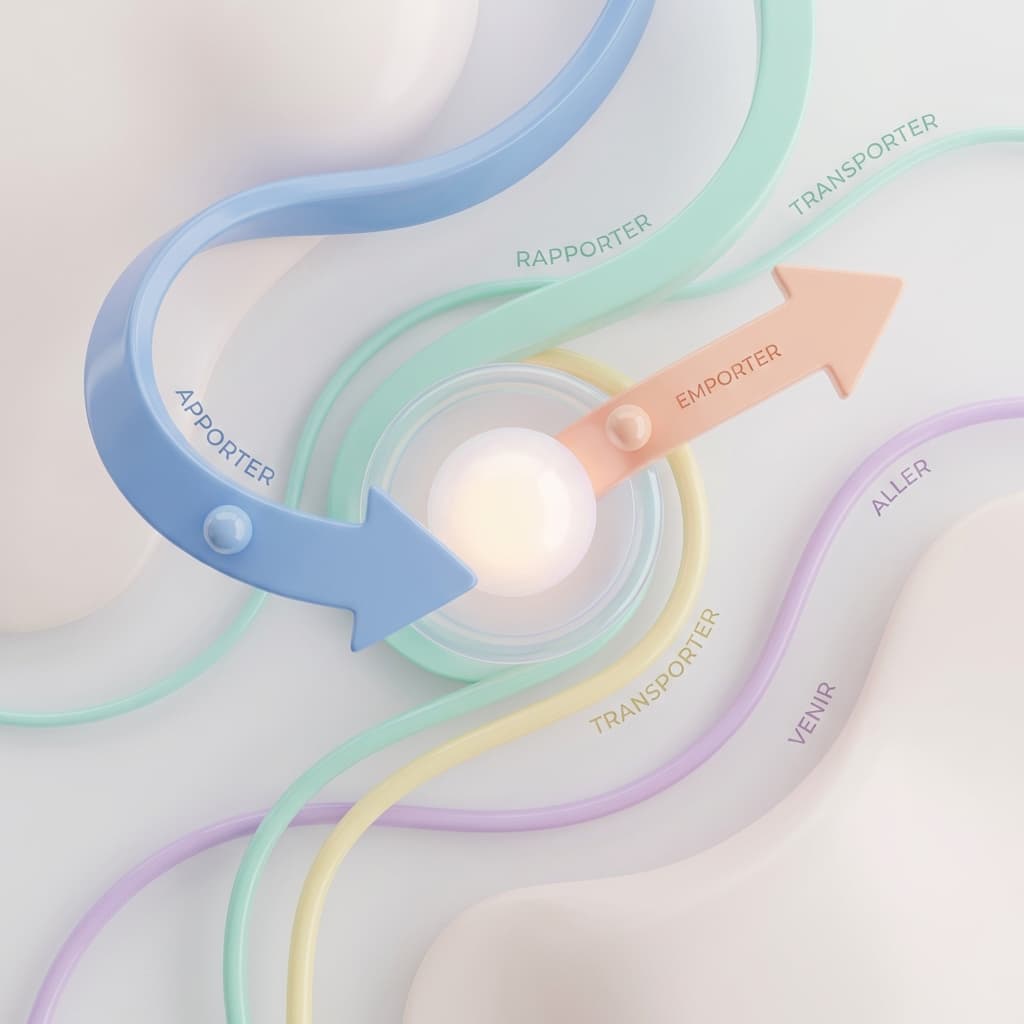
You're in the middle of your TEF Canada writing section, crafting a strong argument about workplace diversity. You write: "Actuellement, les entreprises doivent embaucher plus de femmes." You think you've just said "Actually, companies must hire more women." But what you actually wrote is "Currently, companies must hire more women." That's a completely different meaning — and it could cost you points. This blog post covers the 25 most dangerous French false cognates (faux amis) that sound like English but mean something else entirely. After reading, you'll be able to spot these traps in reading and listening tasks, avoid them in your own writing and speaking, and boost your score on any French exam — TEF, TCF, DELF, or DALF.
1. Actuellement vs Actually
This is the #1 false cognate that TEF and TCF candidates misuse. "Actuellement" means "currently" or "at the present time," not "actually."
- ❌ Wrong: "Actuellement, je suis d'accord avec vous." (Intended: Actually, I agree with you.)
- ✅ Correct: "En fait, je suis d'accord avec vous." (Actually, I agree with you.)
- ✅ Correct use of actuellement: "Actuellement, je prépare le TEF Canada." (Currently, I'm preparing for the TEF Canada.)
In writing tasks, if you want to express contrast or correction, use "en fait" or "en réalité." Save "actuellement" for describing the present situation.
2. Sensible vs Sensitive
"Sensible" in French means "sensitive" — the opposite of what it means in English. The French word for "sensible" is "raisonnable" or "sensé."
- ❌ Wrong: "C'est une personne très sensible." (Intended: She's a very sensible person.)
- ✅ Correct: "C'est une personne très raisonnable." (She's a very sensible person.)
- ✅ Correct use of sensible: "Elle est très sensible aux critiques." (She's very sensitive to criticism.)
In speaking tasks, using "sensible" to mean "sensitive" is a common error that examiners flag. Practice the distinction in your sessions.
3. Librairie vs Library
"Librairie" means "bookstore," not "library." The French word for library is "bibliothèque."
- ❌ Wrong: "Je vais à la librairie pour étudier." (Intended: I'm going to the library to study.)
- ✅ Correct: "Je vais à la bibliothèque pour étudier." (I'm going to the library to study.)
- ✅ Correct use of librairie: "J'ai acheté ce roman à la librairie." (I bought this novel at the bookstore.)
4. Prétendre vs To Pretend
"Prétendre" means "to claim" or "to assert," not "to pretend." The French verb for "to pretend" is "faire semblant."
- ❌ Wrong: "Il prétend être malade." (Intended: He's pretending to be sick.)
- ✅ Correct: "Il fait semblant d'être malade." (He's pretending to be sick.)
- ✅ Correct use of prétendre: "Il prétend avoir raison." (He claims to be right.)
5. Assister vs To Assist
"Assister à" means "to attend" an event, not "to assist" someone. The French verb for "to assist" is "aider."
- ❌ Wrong: "Je vais assister mon collègue." (Intended: I'm going to assist my colleague.)
- ✅ Correct: "Je vais aider mon collègue." (I'm going to assist my colleague.)
- ✅ Correct use of assister: "J'ai assisté à la conférence." (I attended the conference.)
6. Attendre vs To Attend
"Attendre" means "to wait for," not "to attend." The French verb for "to attend" is "assister à" or "participer à."
- ❌ Wrong: "J'attends la réunion." (Intended: I'm attending the meeting.)
- ✅ Correct: "Je participe à la réunion." (I'm attending the meeting.)
- ✅ Correct use of attendre: "J'attends le bus." (I'm waiting for the bus.)
7. Demander vs To Demand
"Demander" means "to ask" or "to request," not "to demand." The French verb for "to demand" is "exiger."
- ❌ Wrong: "Je demande une augmentation." (Intended: I demand a raise.)
- ✅ Correct: "J'exige une augmentation." (I demand a raise.)
- ✅ Correct use of demander: "Je demande un renseignement." (I'm asking for information.)
8. Éventuellement vs Eventually
"Éventuellement" means "possibly" or "if needed," not "eventually." The French word for "eventually" is "finalement" or "à la fin."
- ❌ Wrong: "Éventuellement, je vais déménager." (Intended: Eventually, I'm going to move.)
- ✅ Correct: "Finalement, je vais déménager." (Eventually, I'm going to move.)
- ✅ Correct use of éventuellement: "Éventuellement, on peut changer la date." (If needed, we can change the date.)
9. Location vs Location
"Location" in French means "rental" (as in renting a car or apartment), not "location" (place). The French word for "location" is "emplacement" or "lieu."
- ❌ Wrong: "Quelle est la location de la réunion ?" (Intended: What's the location of the meeting?)
- ✅ Correct: "Quel est le lieu de la réunion ?" (What's the location of the meeting?)
- ✅ Correct use of location: "Je cherche une location de voiture." (I'm looking for a car rental.)
10. Monnaie vs Money
"Monnaie" means "change" (coins) or "currency," not "money" in general. The French word for "money" is "argent."
- ❌ Wrong: "J'ai besoin de monnaie pour payer." (Intended: I need money to pay.)
- ✅ Correct: "J'ai besoin d'argent pour payer." (I need money to pay.)
- ✅ Correct use of monnaie: "Avez-vous de la monnaie ?" (Do you have change?)
11. Pain vs Pain
"Pain" in French means "bread," not "pain." The French word for "pain" is "douleur" or "mal."
- ❌ Wrong: "J'ai du pain au dos." (Intended: I have pain in my back.)
- ✅ Correct: "J'ai mal au dos." (I have back pain.)
- ✅ Correct use of pain: "Je voudrais du pain, s'il vous plaît." (I'd like some bread, please.)
12. Car vs Car
"Car" in French means "because" or "for," not "car" (automobile). The French word for "car" is "voiture."
- ❌ Wrong: "Je conduis ma car." (Intended: I'm driving my car.)
- ✅ Correct: "Je conduis ma voiture." (I'm driving my car.)
- ✅ Correct use of car: "Je suis en retard car le train était en panne." (I'm late because the train was broken down.)
13. Coin vs Coin
"Coin" in French means "corner," not "coin" (money). The French word for "coin" is "pièce" or "pièce de monnaie."
- ❌ Wrong: "J'ai trouvé un coin par terre." (Intended: I found a coin on the ground.)
- ✅ Correct: "J'ai trouvé une pièce par terre." (I found a coin on the ground.)
- ✅ Correct use of coin: "Le bureau est au coin de la rue." (The office is on the corner of the street.)
14. Figure vs Figure
"Figure" in French means "face," not "figure" (body shape or number). The French word for "figure" (body) is "silhouette" or "corps."
- ❌ Wrong: "Elle a une belle figure." (Intended: She has a nice figure.)
- ✅ Correct: "Elle a une belle silhouette." (She has a nice figure.)
- ✅ Correct use of figure: "Elle a une belle figure." (She has a beautiful face.)
15. Habit vs Habit
"Habit" in French means "outfit" or "suit," not "habit" (routine). The French word for "habit" is "habitude."
- ❌ Wrong: "C'est un mauvais habit." (Intended: It's a bad habit.)
- ✅ Correct: "C'est une mauvaise habitude." (It's a bad habit.)
- ✅ Correct use of habit: "Il porte un habit élégant." (He's wearing an elegant suit.)
16. Ignorer vs To Ignore
"Ignorer" means "to not know" or "to be unaware of," not "to ignore" (deliberately pay no attention). The French verb for "to ignore" is "faire semblant de ne pas voir/entendre."
- ❌ Wrong: "Il m'ignore." (Intended: He's ignoring me.)
- ✅ Correct: "Il fait semblant de ne pas me voir." (He's pretending not to see me.)
- ✅ Correct use of ignorer: "J'ignore la réponse." (I don't know the answer.)
17. Journée vs Journey
"Journée" means "day" (as in the duration of a day), not "journey" (trip). The French word for "journey" is "voyage."
- ❌ Wrong: "J'ai fait une longue journée." (Intended: I took a long journey.)
- ✅ Correct: "J'ai fait un long voyage." (I took a long journey.)
- ✅ Correct use of journée: "J'ai passé une bonne journée." (I had a good day.)
18. Lettre vs Letter
"Lettre" means "letter" (of the alphabet or a written message), but also "literature" in some contexts. However, the English word "letter" can also mean "letter" as in a written message — this one is actually a true friend in that sense. But be careful: "lettre" does NOT mean "letter" as in "letter of the law" (that's "lettre" too, but the expression is different). The trap is that "lettre" is not used for "letter" in the sense of "letter of credit" (that's "lettre de crédit").
- ✅ Correct: "J'ai écrit une lettre." (I wrote a letter.)
- ✅ Correct: "La lettre 'A' est la première." (The letter 'A' is the first.)
19. Médecin vs Medicine
"Médecin" means "doctor," not "medicine." The French word for "medicine" is "médicament" or "médecine" (the field).
- ❌ Wrong: "Je dois prendre mon médecin." (Intended: I need to take my medicine.)
- ✅ Correct: "Je dois prendre mon médicament." (I need to take my medicine.)
- ✅ Correct use of médecin: "Je vais chez le médecin." (I'm going to the doctor.)
20. Parent vs Parent
"Parent" in French means "relative" (including parents, but also other relatives), not just "parent" (mother/father). The French word for "parent" (mother/father) is also "parent," but be careful: "mes parents" means "my parents" (mother and father), while "mes proches" means "my close relatives."
- ✅ Correct: "Mes parents habitent à Paris." (My parents live in Paris.)
- ✅ Correct: "C'est un parent éloigné." (He's a distant relative.)
21. Partir vs To Part
"Partir" means "to leave," not "to part" (separate). The French verb for "to part" is "se séparer."
- ❌ Wrong: "Ils ont parti." (Intended: They parted.)
- ✅ Correct: "Ils se sont séparés." (They parted.)
- ✅ Correct use of partir: "Je pars demain." (I'm leaving tomorrow.)
22. Préservatif vs Preservative
"Préservatif" means "condom," not "preservative" (food additive). The French word for "preservative" is "conservateur."
- ❌ Wrong: "Ce produit contient des préservatifs." (Intended: This product contains preservatives.)
- ✅ Correct: "Ce produit contient des conservateurs." (This product contains preservatives.)
- ✅ Correct use of préservatif: "Il faut utiliser un préservatif." (You must use a condom.)
23. Rester vs To Rest
"Rester" means "to stay" or "to remain," not "to rest." The French verb for "to rest" is "se reposer."
- ❌ Wrong: "Je vais rester après le travail." (Intended: I'm going to rest after work.)
- ✅ Correct: "Je vais me reposer après le travail." (I'm going to rest after work.)
- ✅ Correct use of rester: "Je reste à la maison ce soir." (I'm staying home tonight.)
24. Sympathique vs Sympathetic
"Sympathique" means "nice" or "friendly," not "sympathetic" (compassionate). The French word for "sympathetic" is "compatissant."
- ❌ Wrong: "Elle est très sympathique envers les pauvres." (Intended: She's very sympathetic toward the poor.)
- ✅ Correct: "Elle est très compatissante envers les pauvres." (She's very sympathetic toward the poor.)
- ✅ Correct use of sympathique: "C'est une personne très sympathique." (He's a very nice person.)
25. Travailler vs To Travel
"Travailler" means "to work," not "to travel." The French verb for "to travel" is "voyager."
- ❌ Wrong: "Je vais travailler en Europe." (Intended: I'm going to travel in Europe.)
- ✅ Correct: "Je vais voyager en Europe." (I'm going to travel in Europe.)
- ✅ Correct use of travailler: "Je travaille dans un bureau." (I work in an office.)
Comparison Table: Top 10 False Cognates at a Glance
Practical Checklist to Avoid False Cognates
How to Practice False Cognates for Your Exam
The best way to master these words is through active practice. Use our vocabulary tools to create custom flashcard sets focusing on false cognates. For writing tasks, try composing short paragraphs that deliberately use these words correctly — then check against the list above. For speaking, record yourself using each word in a sentence and listen for errors. You can also work with a French tutor who can give you real-time feedback on your usage.
Aiming for CLB 7+?
Join 15,000+ candidates efficiently preparing with our AI-powered simulator.
FAQ: French False Cognates
Q: How many false cognates are there in French? A: There are hundreds, but the 25 listed here are the most common and most dangerous for exam contexts. Focus on mastering these first before moving on to less frequent ones.
Q: Will using a false cognate automatically fail me in TEF/TCF? A: No, but it can lower your score in vocabulary and coherence categories. In writing and speaking, one or two errors might not fail you, but repeated mistakes signal weak vocabulary control.
Q: How can I remember which words are false friends? A: Create mental associations. For example, "actuellement" sounds like "actual" but think of "actuel" meaning "current" (like "actualité" = news). Or use mnemonics: "sensible" = "sensitive" (both start with 's').
A: Yes. In TCF Canada listening, you might hear "actuellement" in a news report and think it means "actually" — but the context will be about current events. Train your ear with our exercises that include false cognates.
Internal Resources for Deeper Practice
For more vocabulary strategies, check out our guide on confusing French verbs and the mots disambiguation framework. If you're preparing for TEF Canada, our free TEF Canada vocabulary list includes many of these false cognates in context. And for a broader look at vocabulary pitfalls, read our article on French false friends (note: this is the same topic but with a different angle — we cover more words there).
Ready to Test Yourself?
Now that you know the 25 most dangerous false cognates, it's time to practice. Try writing a 150-word paragraph about your daily routine using at least five of these words correctly. Then, use our writing practice tool to get feedback on your usage. For speaking, record yourself explaining a recent news event and check if you used any false cognates incorrectly. Consistent practice will turn these traps into strengths.